India’s Ultimate Table Tennis (UTT) League was having its fourth season and I wasn’t even aware of its existence. I heard about it by chance at Playcom 2025, a business-of-sports summit in New Delhi. A friend from a sports-based foundation explained his team’s absence — they were helping organize the ongoing UTT league.
As a sportsperson, I find any positive development in the sports sector immensely exciting. Like many Indians, I am tired of hearing, “Why does India, with a population of over 1.5 billion, have so few medals at the Olympics?” or “Forget winning the World Cup in football, how come India does not even qualify for it?”
These questions have been top of mind for many people over the years. One of the biggest reasons is that we don’t have enough structured competition, year after year, at scale. In recent times, people are trying to solve the problem by building out commercial leagues for different sports in India.
Most of us know of the famous ones — IPL or Indian Premier League (Cricket), Pro Kabaddi League (Kabbadi), ISL or Indian Super League (Football). But there are leagues for badminton, tennis, volleyball, and arm wrestling too!
Almost every league is inspired by and dreams of the success achieved by the IPL. The IPL has been a hit from the year of its launch in 2008 and continues to grow from strength to strength. Many leagues have tried to copy IPL’s celebrity team ownership and marketing playbook but are yet to see success anywhere near IPL.
People are quick to point out how big cricket is in India. Cricket’s popularity is undeniable, but football enjoys massive viewership (mostly foreign leagues and big competitions) too — yet our domestic league hasn’t replicated IPL’s success.
Speaking at Playcom 2025, IPL chairman Arun Dhumal laid out why the league succeeded while others are still struggling. According to Arun, “It really started with India winning the Cricket World Cup in 1983 which not only captured the imagination of millions in our cricket-loving country but also gave rise to multiple cricket training academies. Meanwhile, the Board of Control for Cricket in India (BCCI) organized over 2,000 matches every year, creating a relentless pipeline of talent.”
In a nutshell, it took years and lots of work for IPL to be an overnight success when it launched in 2008. The IPL wasn’t the beginning of Indian cricket — it was the monetization of a 25-year-old talent ecosystem.
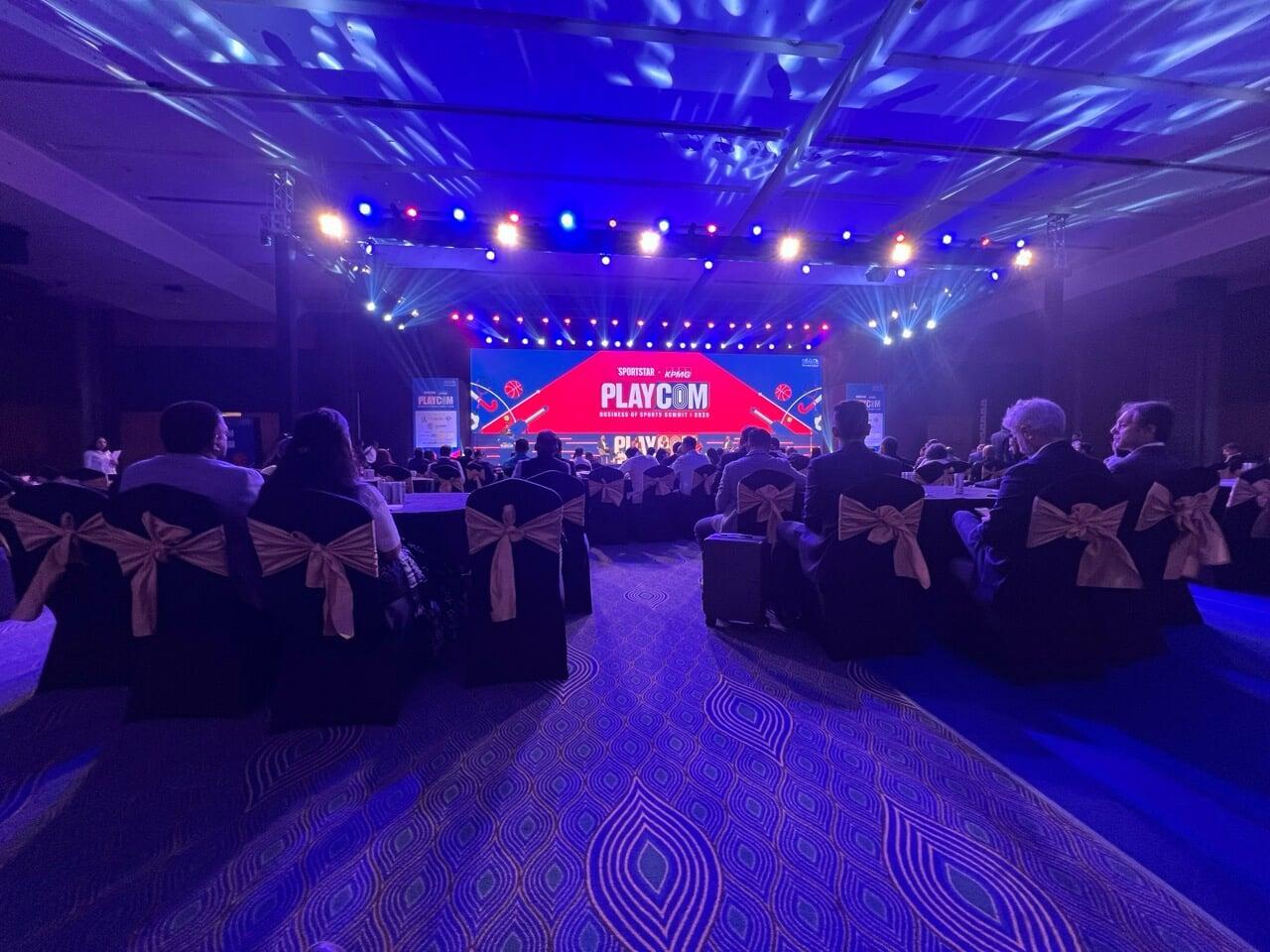
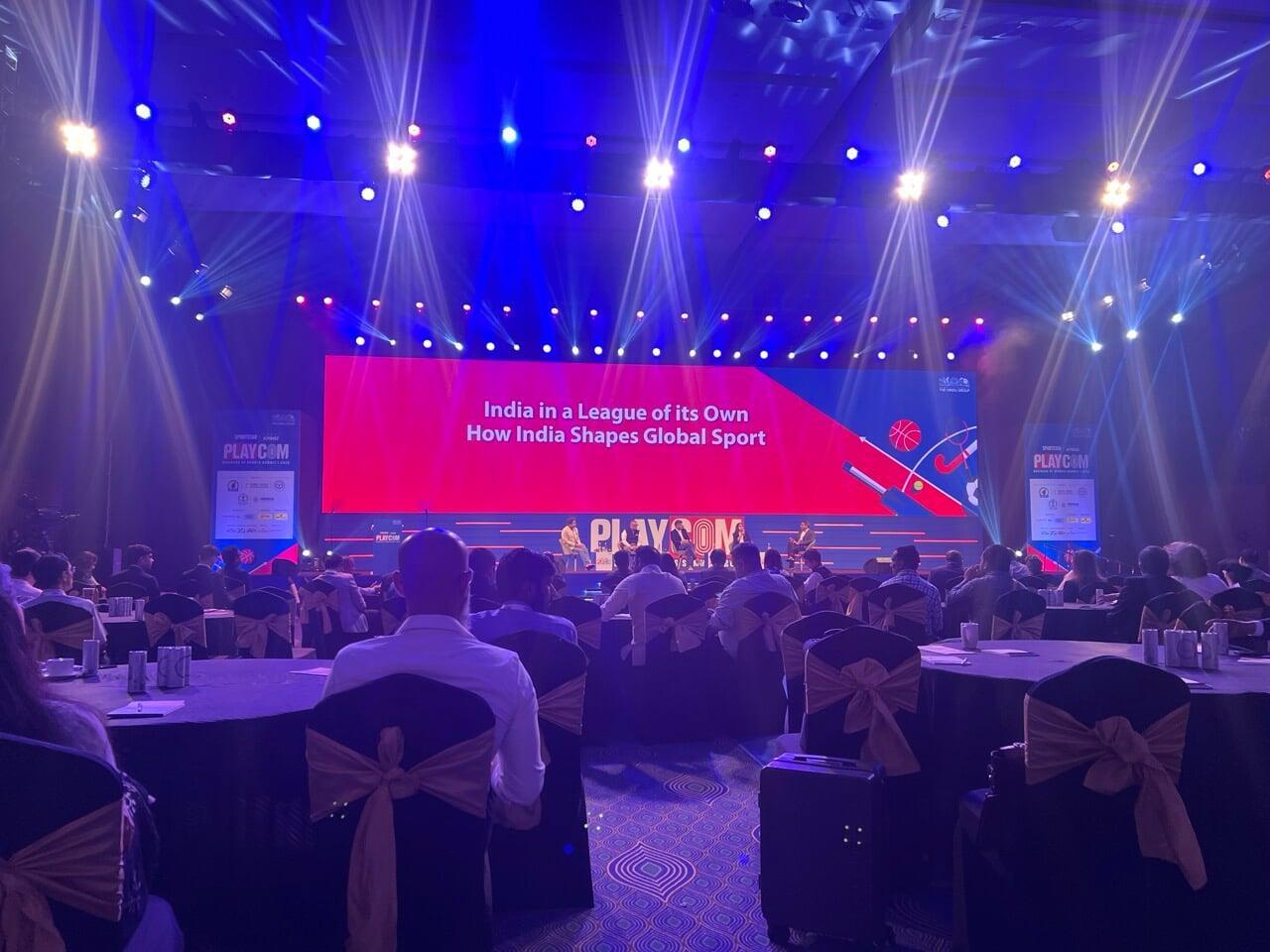
A few pictures I took at Playcom 2025.
Arun’s insight revealed the core problem: other sports are trying to monetize before building depth. Just building leagues won’t cut it. Sporting success follows competitive depth. Where Arun’s fellow panelists and many in the audience see despair, I see a great opportunity. Indian cricket has already shown us the playbook.
We can’t manufacture a historic World Cup win to ignite national imagination. But we can build academies. We can organize matches. We can build federations that operate relentlessly, year after year. The work is unglamorous. But the medals will not be. You cannot build the roof without laying the foundation.
If we start now, we could be an overnight success by 2050. Nations, like individuals, don’t rise on inspiration alone — they rise on repetition.